
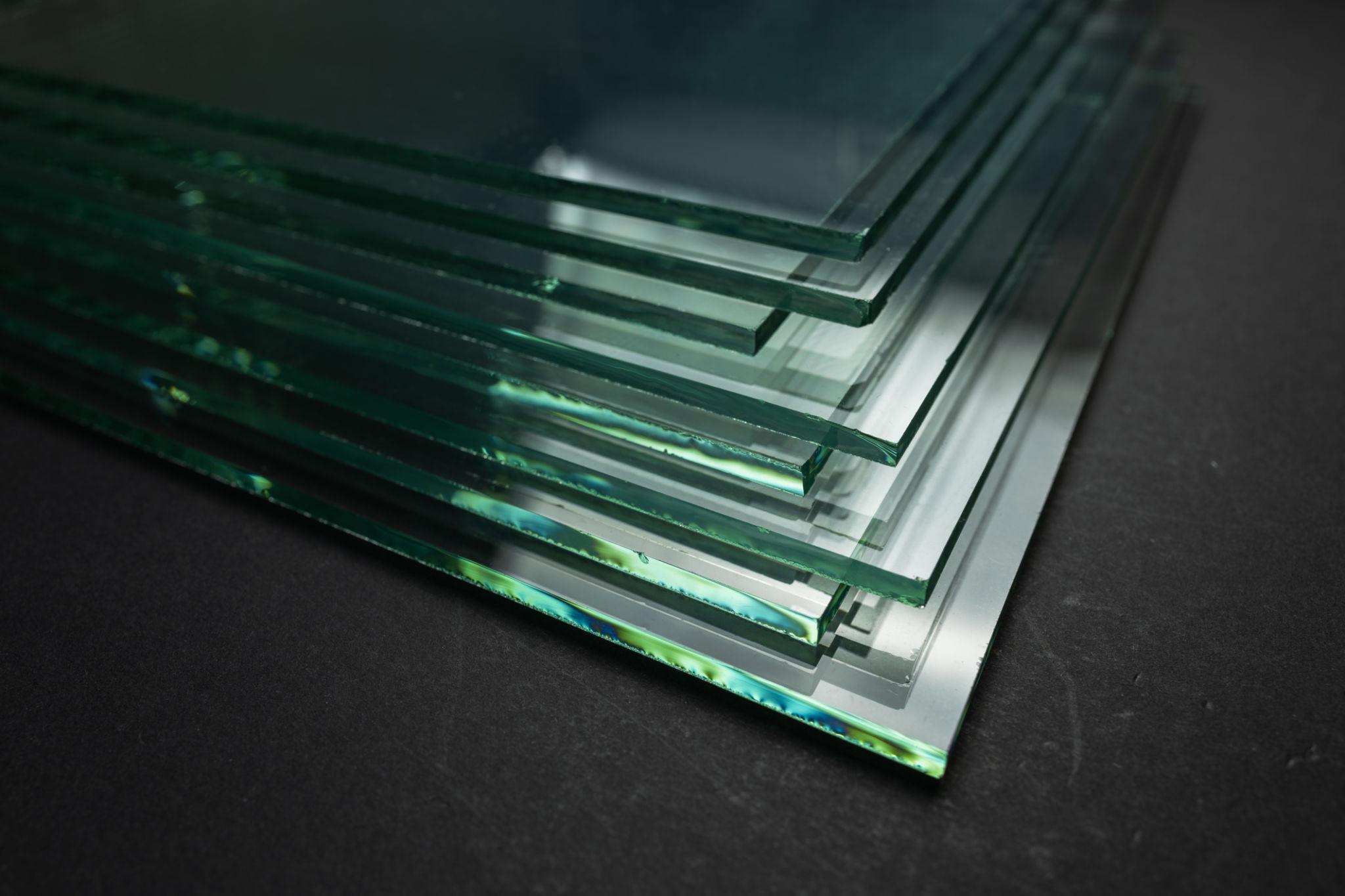
For many years, producing perfectly flat, optically clear glass was a difficult and labor-intensive process. Early manufacturing methods, including the Fourcault and Colburn processes, allowed glass sheets to be produced in larger quantities, but they came with a significant drawback. The pulling and rolling equipment used during production often left visible waves and distortions in the finished glass.
Because of these imperfections, manufacturers had to put every sheet through additional grinding and polishing steps to achieve the clarity needed for windows, mirrors, and other applications. While effective, this added considerable time, cost, and complexity to the production process.
A major breakthrough arrived in 1935 when engineers at Pilkington Brothers in Doncaster, England, developed the twin grinding and polishing machine. This innovation allowed plate glass to be produced using a horizontal double-roller method and then ground and polished continuously as part of the manufacturing line. In practice, this greatly improved efficiency and helped manufacturers produce higher-quality glass on a larger scale.
Even with these improvements, the industry was still searching for a way to eliminate the grinding and polishing stages altogether. That solution arrived in 1959 when Alastair Pilkington introduced the revolutionary float glass process. After seven years of development, the new method transformed the industry by allowing molten glass to float across a bath of molten tin, naturally creating an exceptionally smooth and flat surface. As a result, the costly grinding and polishing steps that had defined glass production for generations were no longer necessary.
The impact of float glass manufacturing cannot be overstated. It became the foundation of modern flat glass production and remains the dominant process used around the world today. The clear, distortion-free glass found in homes, office buildings, storefronts, and automobiles is largely made possible because of this innovation.
The technology continued to evolve after the introduction of float glass. In 1967, manufacturers developed the electro-float process, which expanded the capabilities of glass production even further. By using molten tin as one electrode and a second metal electrode positioned above the glass surface, manufacturers could introduce copper and other metal ions directly into the glass during production. This allowed the creation of specialized glass products with enhanced electrical, optical, and decorative properties.
These advancements helped move glass manufacturing from a process focused on correcting imperfections to one centered on precision engineering. Many of the high-performance glass products used in modern architecture, commercial buildings, storefronts, and modern homes trace their origins back to these groundbreaking developments in flat glass production.